
The War to End War
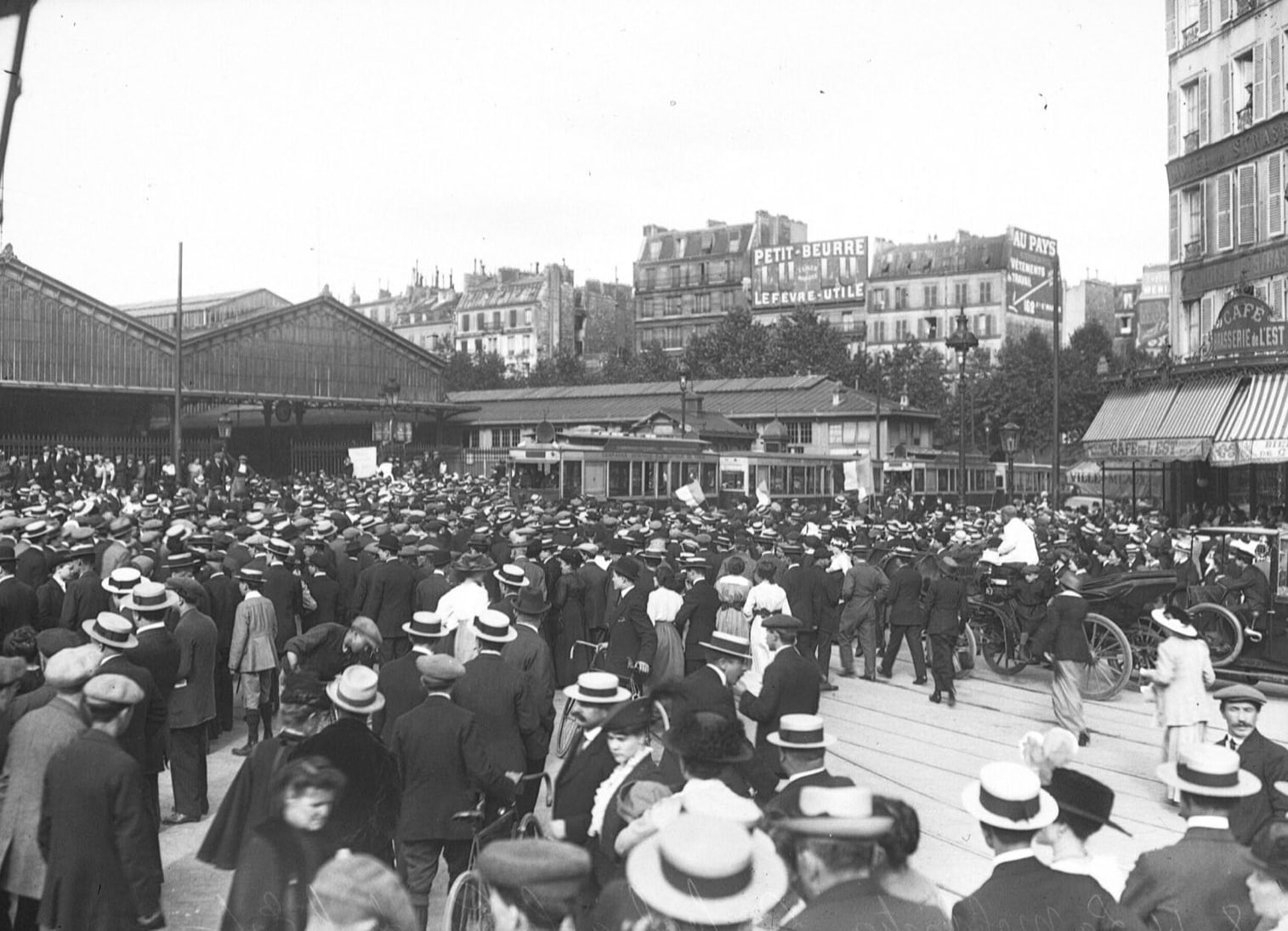
1914–1918 · Middle school · 9 parliaments
Diplomacy and Crisis Management Simulation
Every class becomes the parliament of a country in the First or Second World War. The game begins with real history – and the class’s decisions can change it.
 Poland 1936–1945
 Britain 1936–1945
 France 1936–1945
 Türkiye 1936–1945
 Spain 1936–1945
 Italy 1936–1945
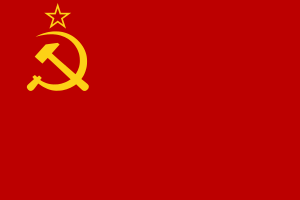 Soviet Union 1936–1945
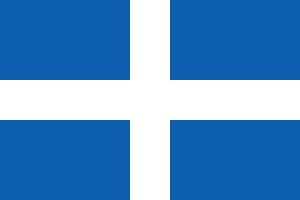 Greece 1936–1945
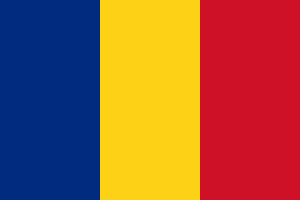 Romania 1936–1945
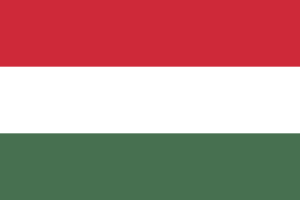 Hungary 1936–1945
 Austria-Hungary 1914–1918Romania 1914–1918
 Ottoman Empire 1914–1918
 Russia 1914–1918Italy 1914–1918France 1914–1918Britain 1914–1918Greece 1914–1918
 Spain 1914–1918
Planspiel
A class of 15 to 20 students forms the parliament of a country. Experienced students take the ministries; the others are deputies with the right to speak and vote. The head of state is not a player: the game runs this figure, who brings strengths and weaknesses of their own and may change as history unfolds.
Every session is run by a Chair whom we train. The Chair is also the Speaker – giving the floor, opening votes and entering them on the Chair’s own screen – while the class follows events on the interactive whiteboard. The game is played in English.
A game lasts one to five days, as the school or the conference chooses. Each turn covers a few months; the years before the war and the critical years are played in shorter turns, and so in more detail.
News and events open the turn: ultimatums, crises, elections, uprisings.
Ministers act in their own fields and settle small matters themselves.
Laws, major investments and answers to events need a majority in parliament.
At the end of the turn the game works out the consequences – at home and across the world.
Alternative history
Every event is written in advance and tied to conditions: the state of the country, earlier decisions, the course of the war. A class can follow the historical path or take a very different one.
Several classes play in the same world at once – up to ten parliaments in the Second World War and nine in the First. What one class decides reaches the others in the next turn; the computer plays every country without a class. The computers connect over a local network, so no internet connection is needed.
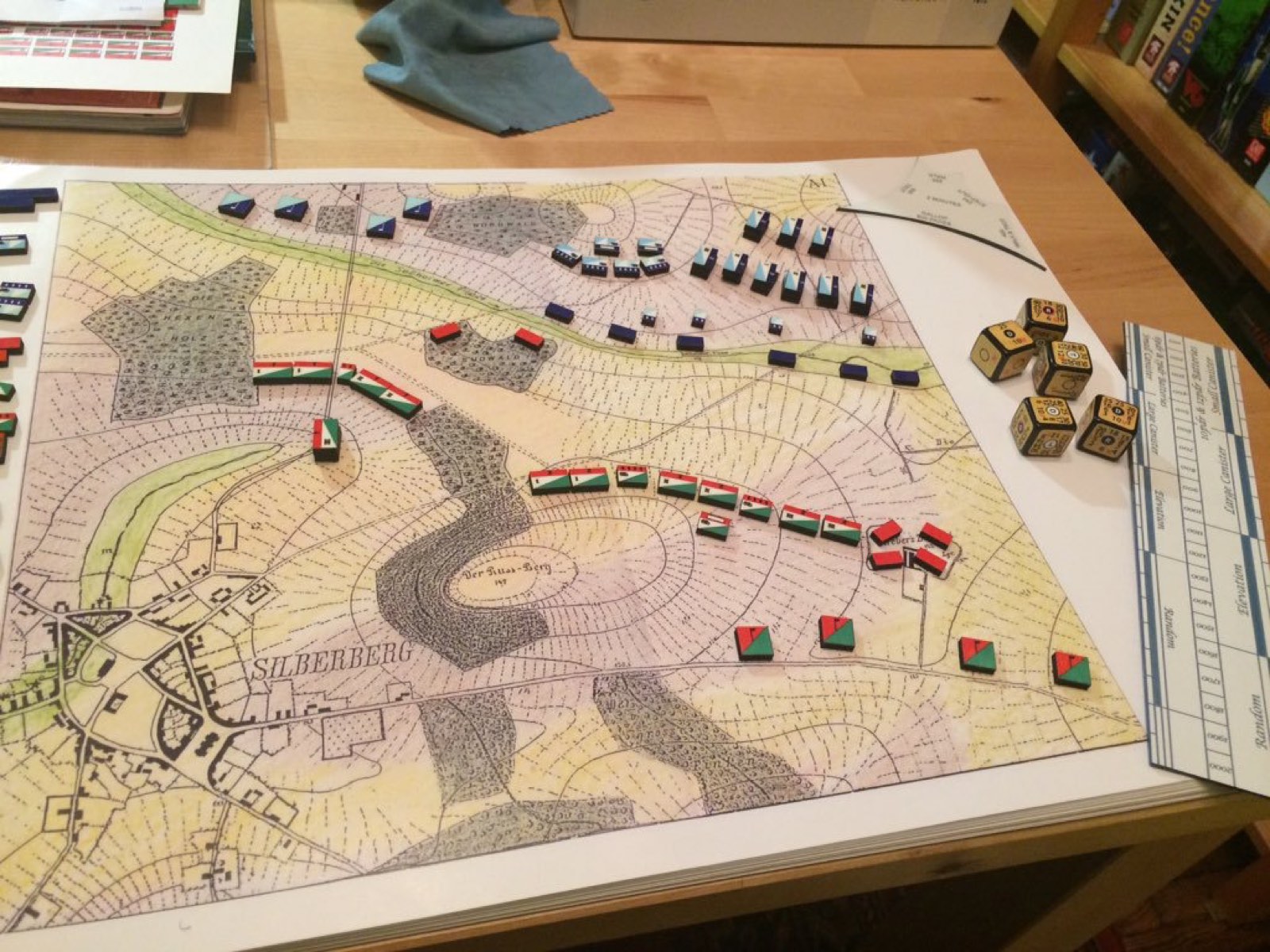
Kriegsspiel
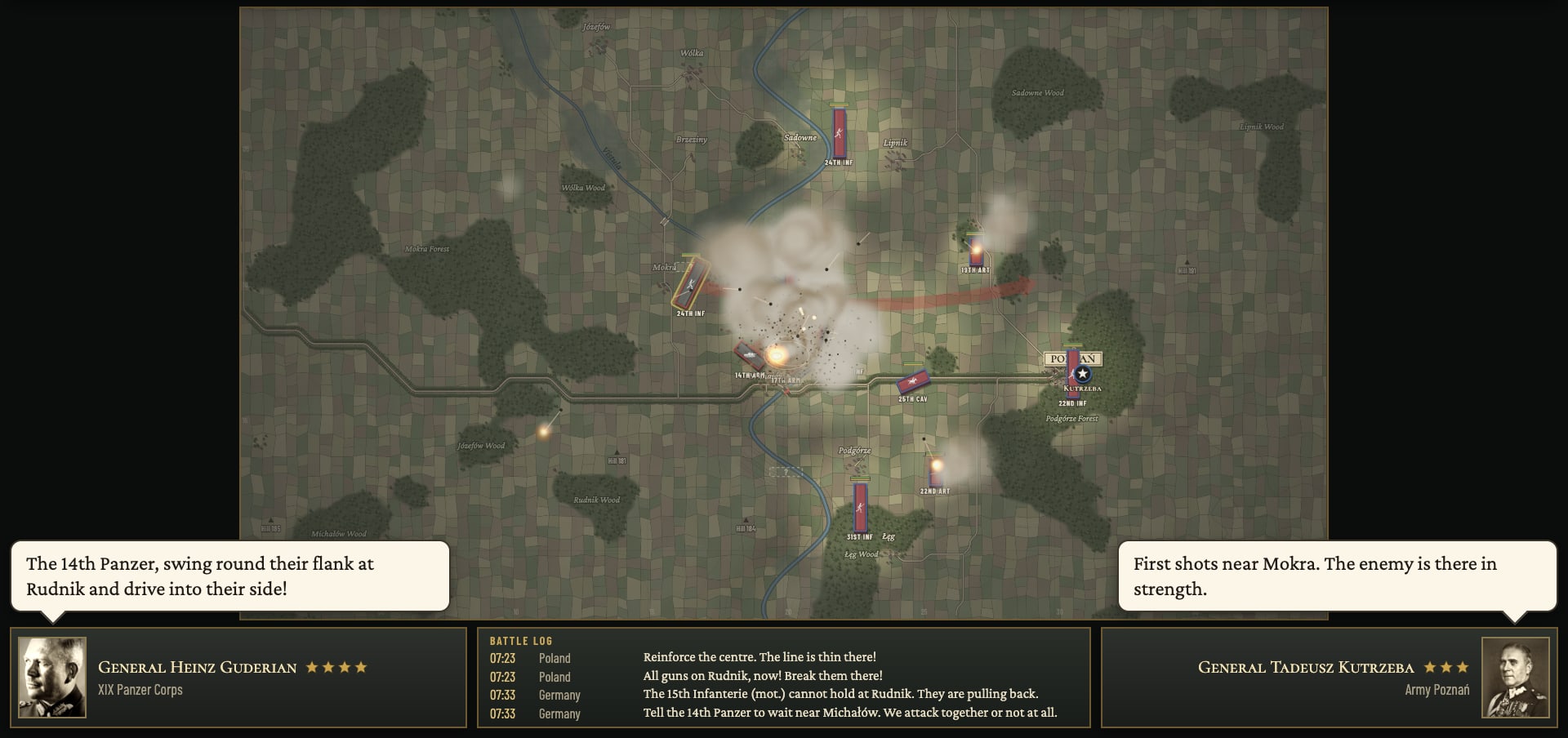
Every battle is fought on a map in the style of the old staff maps: a block is a division, and rivers, towns and heights come from the real geography of the region. The class deploys the troops; the battle itself is led by two generals with doctrines of their own, who see only what their troops can see. On screen, a day of battle takes three minutes at most.
Method
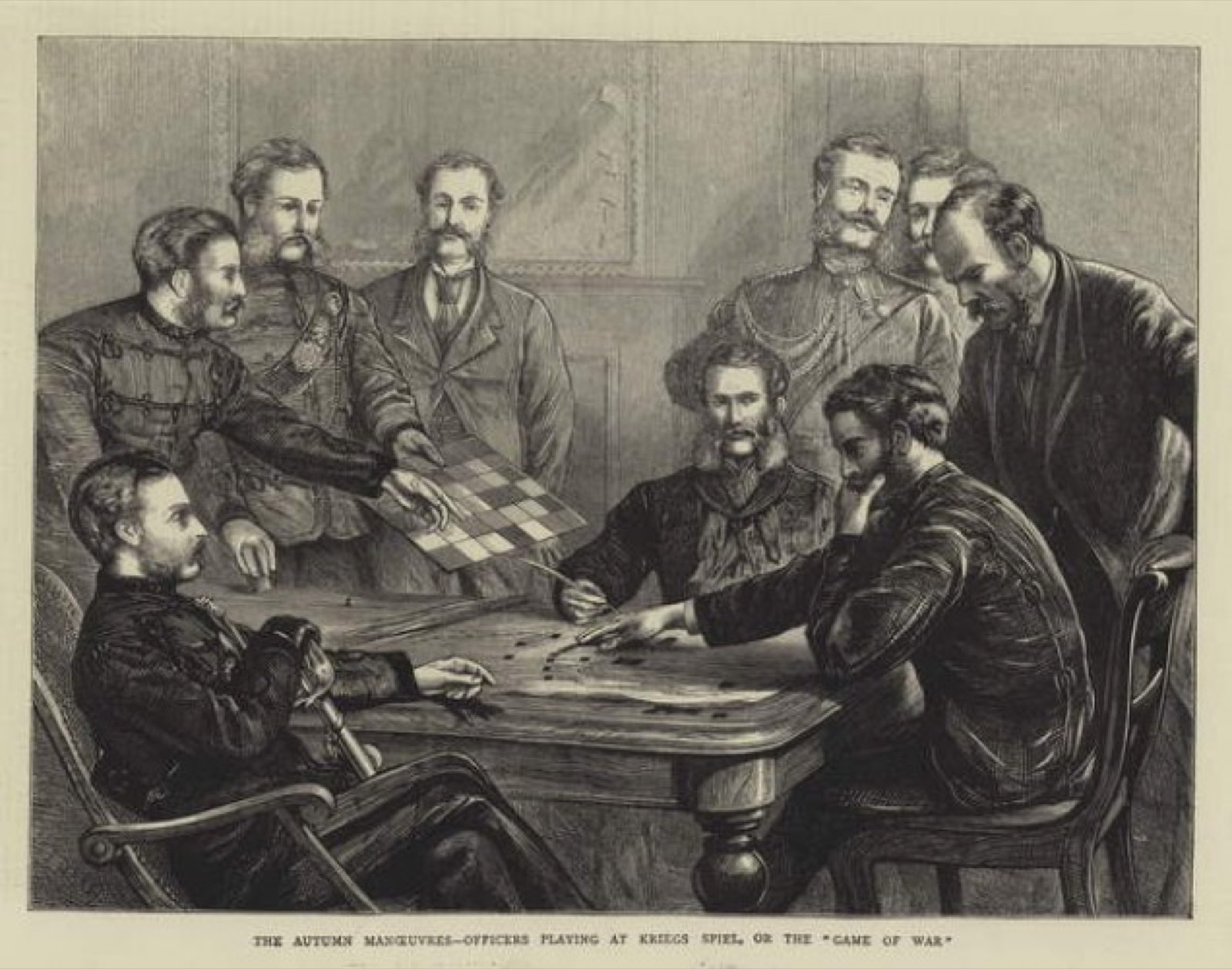
BRINK modernises two teaching methods from the German tradition. The Kriegsspiel was born in 1824, when the Prussian artillery lieutenant Georg von Reisswitz presented a game played on precise topographic maps, with troops as blocks and an umpire. The Planspiel carries the same idea into politics and administration: participants take on roles, decide turn by turn and then review what happened together.
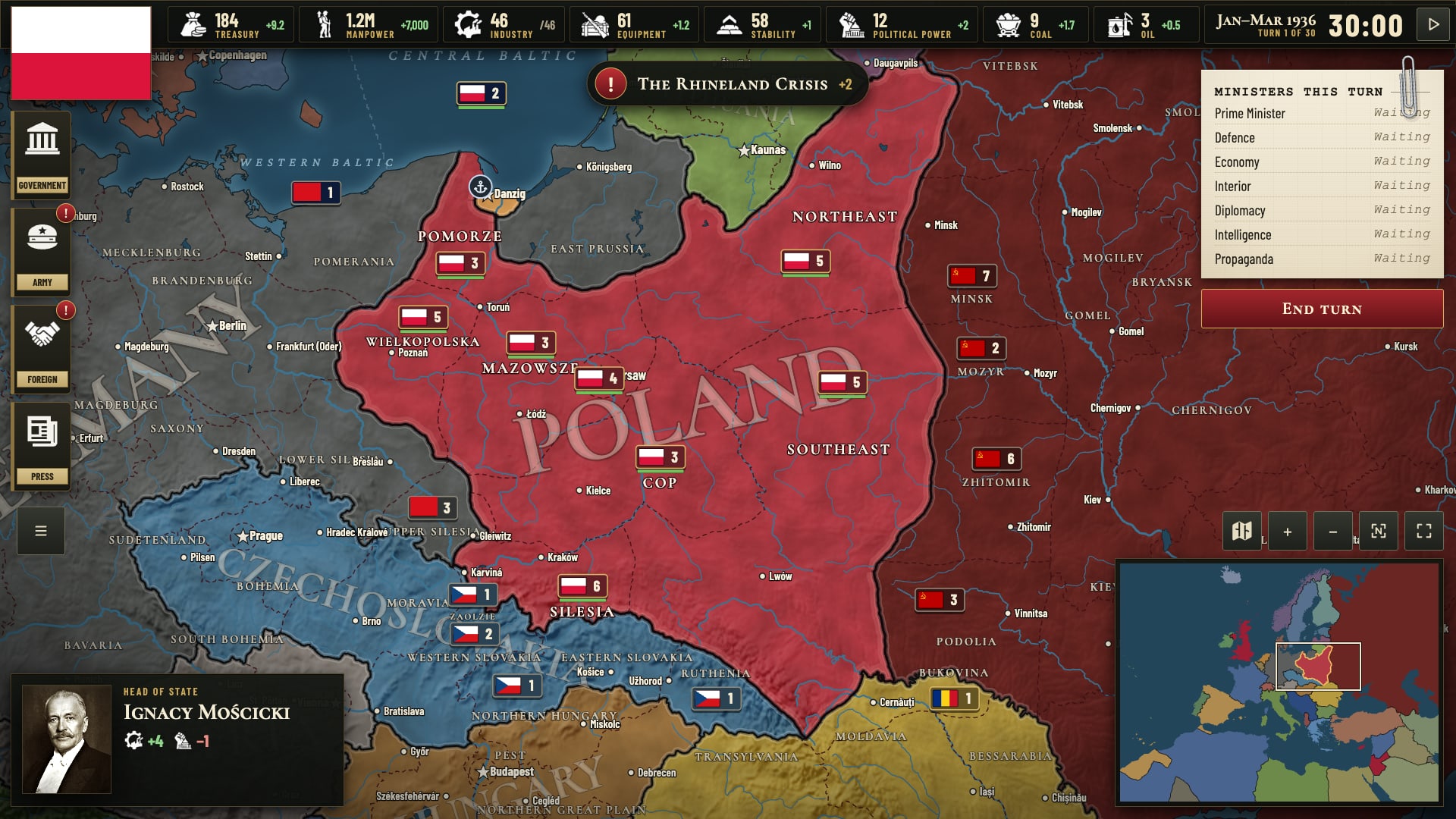
In BRINK both become software. The class’s parliament is the Planspiel; the battles are the Kriegsspiel. The umpire is replaced by rules drawn from real battles: two generals with doctrines of their own, terrain from real geography and sight only as far as one’s own troops can see.
The class follows its country on the map of Europe, and watches its battles fought on maps drawn from the real ground.
The First World War is designed for middle schools, the Second for high schools. Every parliament has its own events, heads of state, decisions and endings.
1914–1918 · Middle school · 9 parliaments
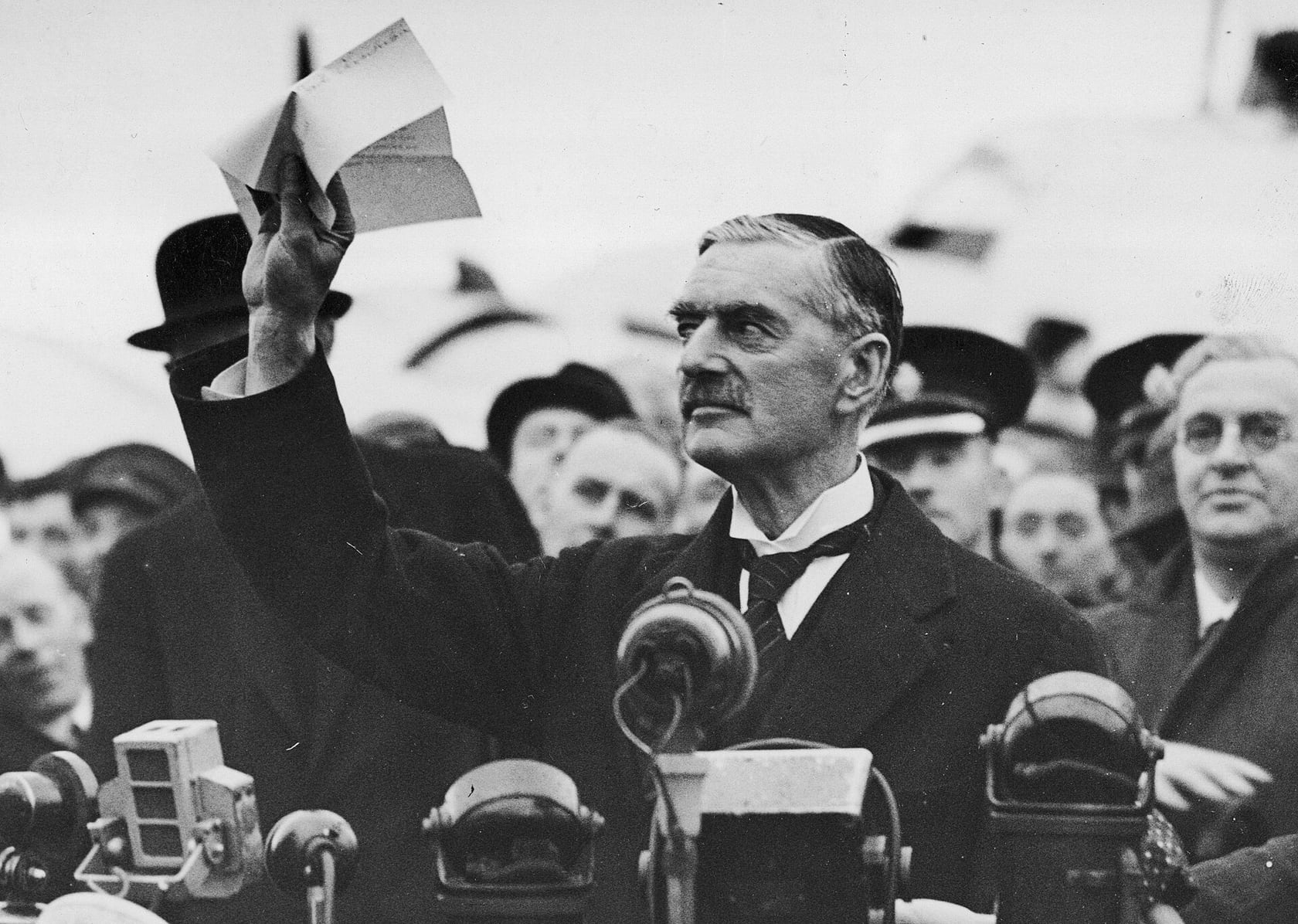
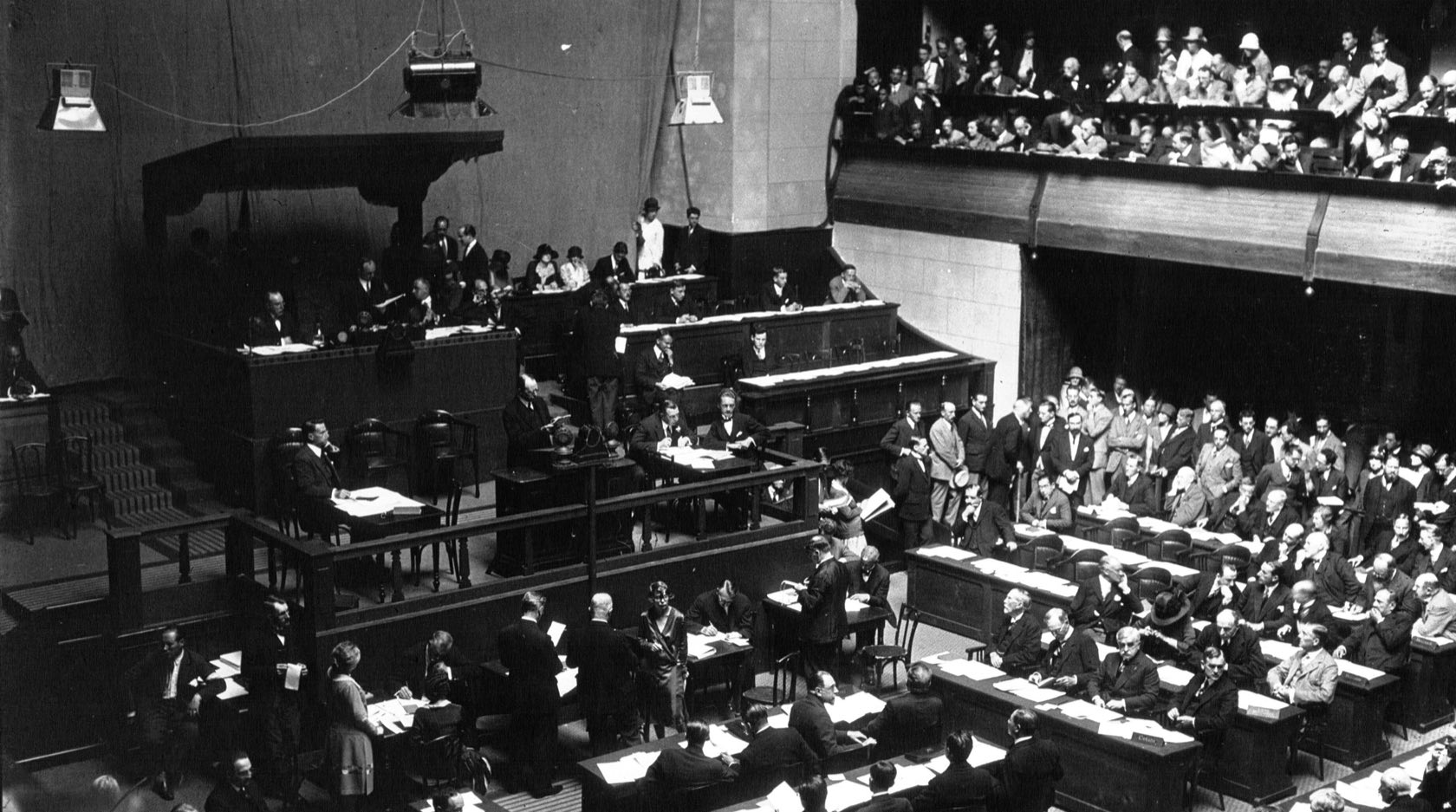
1936–1945 · High school · 10 parliaments
You are the Polish parliament from 1936 to 1945, between Germany and the Soviet Union. The game begins with real history, and your decisions can change it.
You are the House of Commons from 1936 to 1945, at the head of an empire that wants peace. Rearm in time, stand by Europe or buy peace with concessions: the story is yours to change.
You are the Chamber of Deputies from 1936 to 1945, behind the Maginot Line and at the head of a divided Republic. Stand firm with your allies, trust the concrete or look for peace: the story is yours to change.
You are the Grand National Assembly from 1936 to 1945, at the gate between Europe and Asia. Keep the young Republic out of the war, stand with the Allies or listen to Berlin: every great power wants the Straits.
You are the Cortes of the Second Republic from 1936 to 1945. The generals rise in July: hold the Republic together, win the war on the map, or take Spain into the age of Franco.
You are the Chamber of Deputies of Mussolini's Italy from 1936 to 1945. Stand with the democracies or bind Italy to Berlin, gamble on a Mediterranean empire, and face the reckoning of 1943.
You are the Supreme Soviet of Stalin's Soviet Union from 1936 to 1945. Stand with the democracies or bargain with Berlin, spread the revolution abroad, and hold Moscow when the storm comes.
You are the Hellenic Parliament of the Kingdom of Greece from 1936 to 1945. Keep democracy alive or let General Metaxas rule, answer Mussolini's ultimatum, and carry Greece through occupation and civil strife.
You are the Parliament of Romania from 1936 to 1945. Keep Greater Romania whole when its friends fall, choose between Paris and Berlin, and decide when to change sides.
You are the Hungarian Parliament from 1936 to 1945. Win back the lands lost at Trianon without losing the country, choose how far to follow Berlin, and find a way out of the war before the Red Army reaches the Danube.
You are the Reichsrat of Austria-Hungary from 1914 to 1918, an old empire of many peoples at war with its neighbours. Punish Serbia, hold the Russians in the Carpathians, keep Italy and Romania out of the war, and keep your peoples together.
You are the Parliament of Romania from 1914 to 1918, a young kingdom between three empires. Stay neutral, keep the old treaty with Germany, or fight Austria-Hungary for Transylvania, and survive what comes after.
You are the Meclis-i Umumi of the Ottoman Empire from 1914 to 1918. Stay neutral, join Germany or look for friends in the Entente; defend the Straits, the Caucasus and the Arab provinces, and keep the old Empire alive.
You are the State Duma of the Russian Empire from 1914 to 1918. Stand by Serbia, survive the war and the revolutions, or make peace with Germany: the story of Russia is yours to change.
You are the Chamber of Deputies of the Kingdom of Italy from 1914 to 1918. Keep the old alliance, stay neutral, or fight Austria-Hungary for Trento and Trieste: the story of Italy is yours to change.
You are the Chamber of Deputies of the French Republic from 1914 to 1918. Hold the Germans on the Marne and at Verdun, keep your allies beside you and win back Alsace-Lorraine, or look for a compromise peace: the story of France is yours to change.
You are the House of Commons of Britain from 1914 to 1918. Keep your word to Belgium or stay out of the war, send your armies to France and the Dardanelles, beat the U-boats and hold Ireland: the story of the Empire is yours to change.
You are the Hellenic Parliament of the Kingdom of Greece from 1914 to 1918. Keep the King's neutrality, follow Venizelos to the Entente, or listen to the Kaiser; face Bulgaria in Macedonia, and heal or deepen the National Schism.
You are the Cortes of the Kingdom of Spain from 1914 to 1918. Stay neutral and grow rich, or join one side; keep the peace in Morocco, and steer the old monarchy through the officers' revolt and the general strike of 1917.
Finale
BRINK has a winner: the country that holds the most land when the war ends.
Every student receives a certificate as a PDF, and every parliament names three winners of its own: its Best MP and two Inspiring MPs. The certificates also record what each country achieved in the game – the country that raised the largest army, the most peaceful country, the country that did most for women, and more.
At the closing ceremony every parliament also receives its Certificate of Service. It tells where the class’s decisions led the country, records acts of honour as well as complicity, and counts the losses among soldiers and civilians. The Chair reads it aloud.
BRINK
The Parliament of Poland
For Your Freedom and Ours
Polish soldiers fought in Norway, France, Britain, Africa and Italy, and they raised their flag over the ruins of Monte Cassino. Germany is beaten, and the men who helped to beat it cannot go home: the Poland they fought for has been given new borders and a government they did not choose. They march in the victory parades of others, and then they look for work in Britain.
HonourWhen you were ordered to take part in persecution, you refused, and you paid the price for it.
ComplicityWhen a courier brought proof of mass murder, you chose to stay silent.
Sources
The events follow the real history of each country, with its heads of state, parties and crises. The game’s period photographs come from public archives, among them the Bundesarchiv, the Imperial War Museums, the U.S. National Archives, the Library of Congress, the Bibliothèque nationale de France, the Nationaal Archief, the Narodowe Archiwum Cyfrowe and the Landesarchiv Baden-Württemberg. The author and licence of every image are recorded.
Coastlines, rivers and borders are based on Natural Earth and historical boundaries. No live AI is used during play: the computer follows fixed rules.
Head of Educational Research, Headquarters
Member of the Executive Board, Headquarters
Regional Director, Middle East
Head of the Education Unit